Skiing on a Budget: 10 Tips to Save on Your Next Trip
Published: 5/12/2025
Let’s face it, we all know how expensive skiing can be. It’s not just the cost of getting to your destination, but also the accommodation, ski lift passes, lessons, and equipment hire (not to mention a healthy après ski budget)!
It’s no wonder that some people might feel that skiing on a budget is near impossible. However, there are lots of things that you can do to ensure that your skiing trip doesn’t break the bank. With some careful planning and a few expert insider tips, it’s entirely possible to enjoy a brilliant ski holiday in Europe without overspending.
Whether you’re a student who would love to take a break from studying to hit the slopes, a family who would love to enjoy some quality skiing time together, or even an experienced skier who would love some insider knowledge on how to keep their costly hobby down, this guide breaks down everything you need to know about skiing on a budget.
Jump to a Section
Overview |
Budget Destinations |
When to Go |
Booking Hacks |
Gear & Food |
Transport & Groups |
FAQs
Why Skiing on a Budget Is Easier Than You Think
There’s a common misconception that skiing is a luxury sport reserved for the wealthy. However, the reality is that plenty of people on a tight budget manage to hit the slopes year after year.
There are hundreds of ski resorts all over Europe and prices can vary wildly depending on the accommodation you book, the resort you choose and the time of year you go. With a growing number of budget-friendly options, skiing has never been more accessible.
By being strategic with when, where, and how you book, you can enjoy the same slopes, views, and après-ski as everyone else — for a fraction of the price.
1. Choose the Right Destination for Budget Skiing
Budget Friendly: Andorra
When it comes to accommodation costs, you can easily spend a fortune booking a place to stay for your skiing trip. However this doesn’t have to be the case. Most resorts offer a range of accommodation types to suit different budgets.
Pas de la Casa (Andorra)
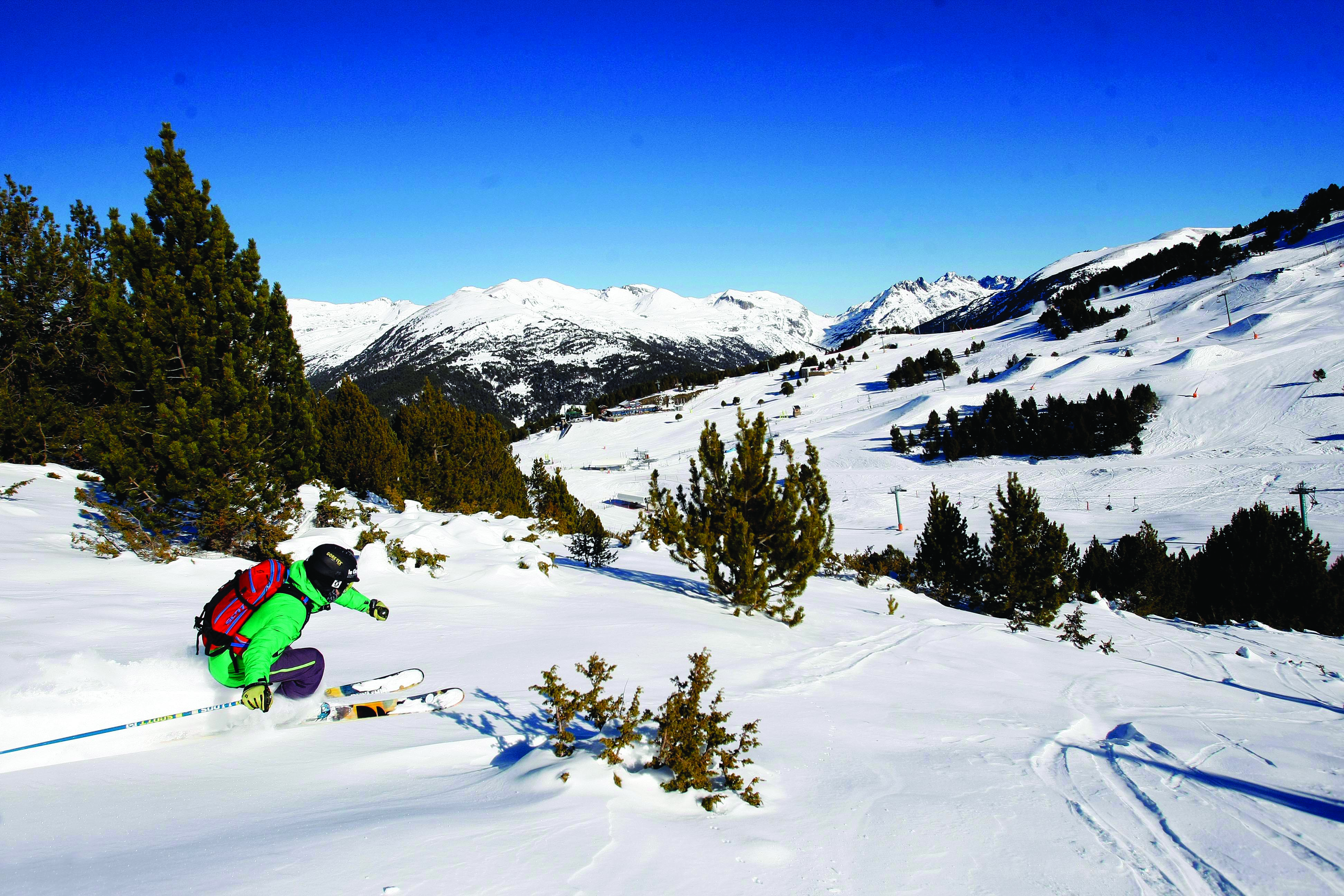
Pas de la Casa is one of Andorra’s most budget-friendly bases, offering high-altitude slopes and direct access to the vast Grandvalira ski area. It suits travellers who want lively après-ski, straightforward accommodation options, and reliable snow without paying Alpine prices.
Lift passes and equipment hire are typically cheaper than in the major French and Austrian resorts, making it a great option for anyone trying to keep costs under control while still enjoying a sizable ski domain.
Budget Friendly: Austria & France
Söll (Austria)
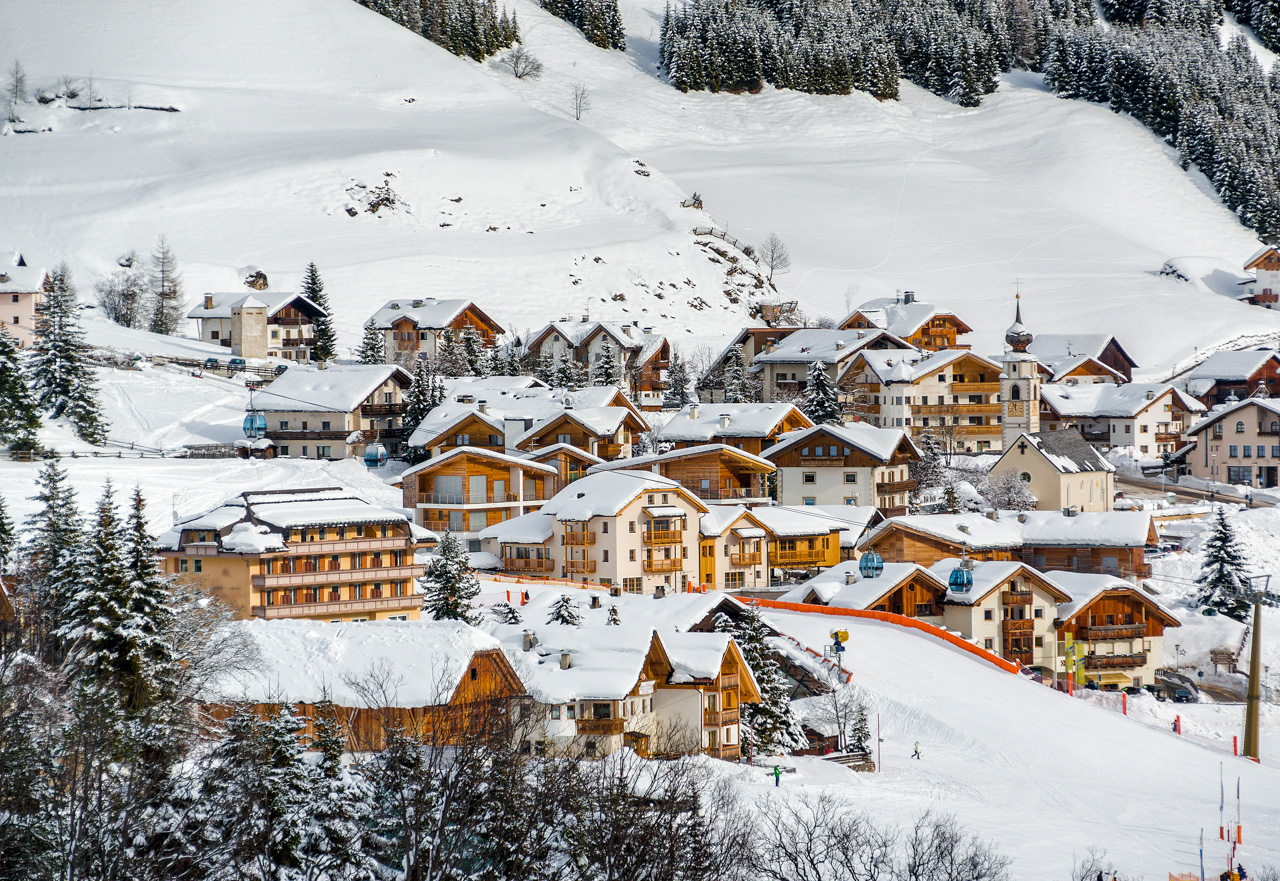
Söll sits within Austria’s SkiWelt region, one of the largest linked ski areas in the country, offering over 280 km of pistes. It’s known for delivering strong value, especially when compared with the high-profile Austrian resorts like St Anton or Kitzbühel. Accommodation ranges from simple guesthouses to comfortable hotels, allowing most budgets to find a solid option.
La Plagne (France)
La Plagne gives you access to Paradiski, one of the largest linked ski areas in Europe, but with far more flexible pricing than some of its neighbours. Compared with the headline French resorts, La Plagne consistently offers better value, particularly when booking packages that bundle accommodation, lift passes, and equipment.
Budget Friendly: Italy
Livigno (Italy)
Livigno already has a reputation for strong value, and its duty-free status only enhances that appeal. Food, drink, fuel, and even equipment purchases can be noticeably cheaper here than in the traditional Alpine nations.
The après-ski scene is relaxed but fun, and Italian hospitality keeps costs down while still delivering quality. Its snow record is among the best in Italy thanks to its high altitude.
Insider tip: Eastern Europe and lesser-known Alpine resorts often offer the best mix of quality and affordability.
Timing Your Trip
2. Go Skiing at the Right Time
When it comes to skiing on a budget, timing is everything. The ski season runs from December to April, and prices can fluctuate significantly during that time. Peak season can see skiers paying significantly more for accommodations, flights and lift passes.
Best times for budget skiing:
- Early December: Pre-Christmas weeks often have great deals.
- Mid-January: Excellent snow, quieter slopes, and reduced accommodation rates.
- Late March: Warmer weather, long days, and last-minute bargains.
Avoid peak weeks (Christmas, New Year, February half-term, and Easter) when prices can double.
Bonus: Direct Ski’s late deals page is updated regularly with last-minute offers for spontaneous travellers.
3. Look for All-Inclusive or Catered Chalet Deals
A common misconception of skiing holiday accommodation is that self-catering is always going to be the cheapest option, whereas in some cases it’s actually the other way around. All inclusive or catered accommodation packages can actually work out cheaper for budget conscious skiers - so make sure you add up all your costs before picking the best option.
- Meals and wine are included, cutting dining costs.
- Transfers are part of the package, avoiding extra travel expenses.
- Group discounts are often available for chalet bookings.
Direct Ski tip: Compare package deals carefully — sometimes the headline price looks higher, but the inclusions make it far more cost-effective than going DIY.
4. Book Early (or Very Late)
It’s not just the time of year that you choose to go but the time you choose to book that can make a difference to how much you pay. If you are super organised and can plan in advance, booking early can reward you with significant discounts. Similarly, if you can be more spontaneous about when you book, last minute deals can also save you money.
- Book early (6–9 months in advance) for the biggest choice of accommodation and early-bird discounts.
- Book late (2–4 weeks before departure) for last-minute deals on unsold chalets and lift passes.
Watch out: If you’re travelling during school holidays or with children, early booking is safest. For flexible travellers, last-minute offers can save hundreds.
Equipment & Essentials
5. Save on Lift Passes
Lift passes are one of the biggest outgoings on any skiing holiday and can cost upwards of €250 per week. You can think that paying for your lift pass is an expense you simply have to bear, but there are ways to bring the cost of lift passes down to make your ski trip more budget-friendly.
- Opt for a smaller local pass rather than the full ski area — ideal for beginners.
- Check family and group discounts; some resorts offer free child passes.
- Buy online in advance for early-season rates.
- Look out for “free lift pass” promotions bundled with accommodation through Direct Ski.
Example: A family of four in La Rosière could save up to €200 by choosing a local lift pass instead of full Espace San Bernardo access.
6. Bring or Borrow Your Own Gear
Hiring skiing equipment can end up being another expensive outlay that adds to the overall cost of your trip. While you might not want to invest in all the gear if you aren’t sure whether skiing is for you, if you are confident you’ll be skiing time and time again, investing in your own stuff will pay for itself in the long run as equipment hire can add £100–£200 per person to your trip.
- Borrow from friends or family if you ski occasionally.
- Buy second-hand gear from marketplaces or ski swaps.
- Bring your own boots or helmet even if you hire skis — smaller items add up quickly.
- Rent equipment online before arriving in the resort for cheaper rates than walk-in prices.
Insider tip: If you ski regularly, investing in your own boots is both cheaper and more comfortable in the long run.
7. Be Savvy About Food and Drink
While you might have the skiing covered, in the majority of resorts it’s the après ski, or enjoying long lunches on the slopes that can really hike up the cost of your trip. If you are skiing on a budget, this is one of the easiest ways to save. Mountain restaurants are notorious for inflated prices.
Budget-friendly food hacks:
- Pack snacks or sandwiches for the slopes.
- Stay in accommodation with kitchen facilities or half-board options.
- Shop at local supermarkets instead of resort mini-marts.
- Enjoy your big meal at lunch — many restaurants offer cheaper lunchtime menus.
Example: A self-catered lunch for two in Les Arcs could cost €10–15, versus €40–50 eating out daily.
Logistics & Extras
8. Travel Smart: Save on Transport
Transport can quietly drain your budget. Flights during peak times can be very expensive, and airport transfers to and from your resort can also equate to hundreds of additional euros that need to be factored into your budget.
- Drive if you’re in a group — fuel split between passengers is cheaper than flights.
- Fly mid-week for lower fares and quieter airports.
- Use budget airlines to nearby airports (Geneva, Grenoble, Turin).
- Choose resorts with short transfer times like La Rosière or Les Deux Alpes.
Direct Ski hack: Transfers are often included in package deals — compare the full cost before booking separately.
9. Travel in a Group
The bigger your group, the lower the per-person cost, so get a big family group together or invite all your friends! Many chalets and apartments offer free places or discounts for group bookings so when it comes to skiing on a budget, it really is a case of ‘the more, the merrier.’
- Accommodation costs are shared.
- You can split self-catering expenses.
- Some resorts offer group lift pass discounts.
Example: Booking an entire chalet for 8–10 people can save up to 20% per person compared with individual bookings.
10. Find Hidden Resort Savings
Some resorts are considered more high end and expensive than others. While booking a cheaper resort can save you money, it’s also worth doing your research about ways to say once you’ve arrived as each resort has its own quirks that could help keep costs low.
- Free ski buses in La Plagne and Les Arcs reduce local transport costs.
- Happy hour après-ski spots in Andorra keep evening costs low.
- Free beginner lifts in many resorts let you practice without a full pass.
- Book online with Direct ski and save 50 Euros!
Discover Europe’s most affordable ski resorts with Direct Ski.
FAQs: Budget Skiing Made Simple
Is it really possible to ski on a budget?
Yes. By choosing smaller or lesser-known resorts, travelling outside peak times, and booking smartly, you can enjoy a full ski experience without overspending.
What’s the cheapest month to ski in Europe?
January is generally the best value month — excellent snow and lower accommodation prices after Christmas.
Where can I go skiing in Europe on a budget?
Bansko (Bulgaria), Andorra, Livigno (Italy), and Les Deux Alpes (France) are among the most affordable and reliable options.
Should I go self-catered or catered to save money?
It depends on your group. Self-catering is cheaper upfront, but catered chalets can save money overall once food and transfers are included.
Plan Your Affordable Ski Escape
While you might think you need a massive budget to embark on a skiing holiday, this just isn’t the case. With a bit of strategic planning around timing, and accommodation, as well as making more budget-friendly choices once you arrive, it’s very possible to ski on a tight budget year after year.
Explore Direct Ski’s best-value ski deals and start planning your affordable winter getaway today.